Circular Biomaterials Platform

Transforming Mushroom Waste into High-Performance Australian-made Chitosan

Building a circular biomaterials platform utilising mushroom waste.

ChitoCore is developing an Australian fungal chitosan manufacturing platform designed to valorise mushroom industry by-products, reduce dependence on imported materials, and supply high-value biomaterials to multiple industrial sectors.

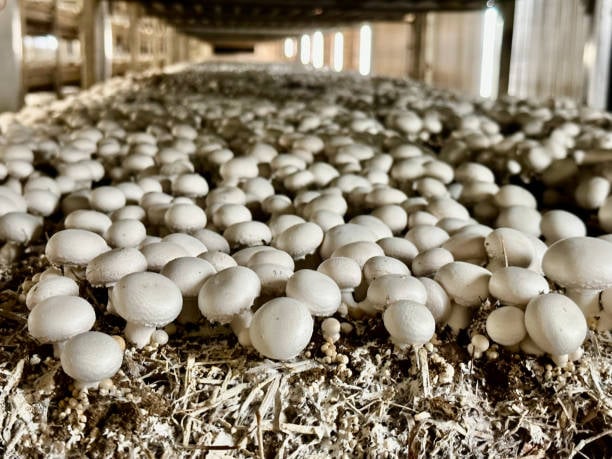
Button Mushroom Farm

The Problem

• Large amounts of mushroom waste is generated in Australia.

• This is an underutilised biomass.

• There is currently a heavy reliance on imported crustacean-derived chitosan, which has inherent issues.

The Solution

• ChitoCore’s fungal-derived chitosan.

• Based on circular bio-manufacturing principles.

• Local Australian manufacturing.

Why This Matters

• Reduces waste.

• Replaces imported crustacean supply chains.

• Enables sustainable inputs for key industries.

Core Proposition

Waste valorisation into industrial biomaterials.

A feedstock-to-material platform converting mushroom processing side streams into fungal-derived chitosan and related products with broad application potential.

Market Logic

Multi-sector demand.

Chitosan is useful across wine, agriculture, water treatment, pharmaceutical and sustainable materials market segments.

Supply Anchor

Partnership-led feedstock model with Marland Mushrooms, centred on mushroom by-product recovery and local industrial integration.

Investment Thesis

ChitoCore sits at the intersection of circular economy, advanced manufacturing, and industrial biomaterials.

Circular feedstock model

ChitoCore is building a circular biomaterials platform that converts mushroom industry by-products into high-value fungal chitosan and related materials.

Australian supply chain

A locally anchored manufacturing model designed to reduce reliance on imported chitosan and strengthen sovereign capability in advanced biomaterials.

Platform chemistry

Fungal-derived chitosan can serve multiple industries, creating a versatile commercial pathway rather than dependence on a single end market.

Platform Overview

From mushroom waste stream to premium fungal chitosan platform.

ChitoCore is designed around a simple commercial idea: recover value from mushroom-processing by-products and turn that feedstock into a versatile class of industrial biomaterials. The initial product focus is fungal-derived chitosan, with the broader platform designed to support derivatives and future material extensions.

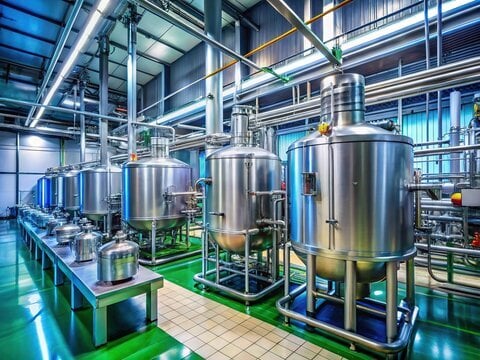
biomanufacturing plant 1

Waste to Value

ChitoCore is designed to turn mushroom industry waste streams into commercially useful outputs, converting disposal cost and inefficiency into material value.

Manufacturing Platform

Rather than a single-product story, ChitoCore is developing a broader fungal biomaterials platform centred on chitosan and it's high-value derivatives.

Partnership-Led Supply

The model is built around feedstock partnerships, including engagement with Marland Mushrooms, to secure reliable input streams for pilot deployment and scale-up.

Cross-Industry Demand

Chitosan has relevance across wine, agriculture, water treatment, and advanced materials, supporting diversified market entry and long-term optionality.

why now image 1

Why Now?

  • Strategic momentum

  • Partnership pathway with Marland Mushrooms for mushroom-processing side streams

  • Waste valorisation model built around underutilised organic by-products

  • Scalable fungal chitosan manufacturing platform with multi-industry applications

  • Commercial positioning around premium Australian-made circular biomaterials

Applications

A material platform with multiple commercial pathways.

Chitosan is commercially attractive because it can serve more than one industry. ChitoCore’s investor story is not limited to a single niche: it is a manufacturing platform with multiple routes to market.

Wine & Beverage

Clarification, microbial control, process performance, and premium production support

Water Treatment

Flocculation, contaminant capture, improved desalination efficiency and more sustainable treatment chemistry

Agriculture

Biostimulants, crop-input systems, seed and foliar applications, and circular farm inputs

Advanced Materials

Films, composites, specialty formulations, and future biomaterials development for medical applications

Building a circular biomaterials platform from mushroom waste.

ChitoCore is building a premium circular biomaterials platform around fungal-derived chitosan. For investment discussions, feedstock partnerships, commercial trials, or industrial collaboration, contact us with the form at the bottom of this page.

Frequently asked questions

What is ChitoCore?

ChitoCore is a circular bio-manufacturing platform that converts mushroom waste into high-value biomaterials such as fungal-derived chitosan. These materials have applications across agriculture, winemaking, and advanced materials.

What is chitosan and why is it valuable?

Chitosan is a naturally derived biopolymer known for its antimicrobial, flocculating, and film-forming properties. It is widely used in agriculture, water treatment, food processing, and pharmaceuticals.

How is ChitoCore chitosan different from traditional chitosan?

Traditional chitosan is typically derived from crustaceans. ChitoCore produces fungal-derived chitosan, which:

  • avoids shellfish allergens
  • offers more consistent quality
  • aligns with sustainable, circular production systems
What feedstock do you use?

We use waste mushroom biomass, such as stems from commercial mushroom production, transforming an underutilised by-product into valuable materials. 

What are some of the applications of chitosan?

In winemaking & brewing, chitosan is used for:

  • clarification (removing haze-forming particles)
  • microbial control (e.g. Brettanomyces)
  • improving wine stability prior to bottling
  •  In some applications, chitosan can reduce or complement the use of traditional fining agents like bentonite, often with lower dosing and faster settling.


In agriculture, chitosan is used as:

  • a biostimulant
  • a plant defence elicitor
  •  a coating or delivery agent for nutrients


As advanced materials, chitosan can be used for:

  • wound healing dressings
  • microbial control
  • nanomaterial formulations
Why is fungal-derived chitosan more sustainable?

Fungal-derived chitosan:

  • utilises agricultural waste streams
  • reduces reliance on marine resources
  • supports circular economy principles
Where is your material produced?

ChitoCore is developing production capability in Australia, working closely with local mushroom producers.

Can you process at scale?

Yes — the process is designed to scale modularly and traditionally, alongside mushroom production facilities (or clusters of them), enabling distributed manufacturing near feedstock sources.

Are ChitoCore chitosan products available for purchase?

ChitoCore is currently in development and pilot-stage validation. We are engaging with partners for early trials and commercialisation.

Are you working with industry partners?

Yes — we are actively engaging with partners across agriculture, winemaking, and biomaterials sectors.

What is the degree of deacetylation (DDA) of ChitoCore chitosan?

We target application-specific ranges of degree of deacetylation to optimise performance across industries such as winemaking, agriculture, water treatment and pharmaceutical applications.   .

What molecular weight (MW) range does ChitoCore produce?

Our process allows tuning of molecular weight distribution depending on the intended application.

Does fungal chitosan contain allergens?

Fungal-derived chitosan avoids shellfish allergens associated with crustacean sources. 

FAQ image

We are currently engaging with partners across agriculture, winemaking & brewing, bio-manufacturing, and investment. Get in touch.